
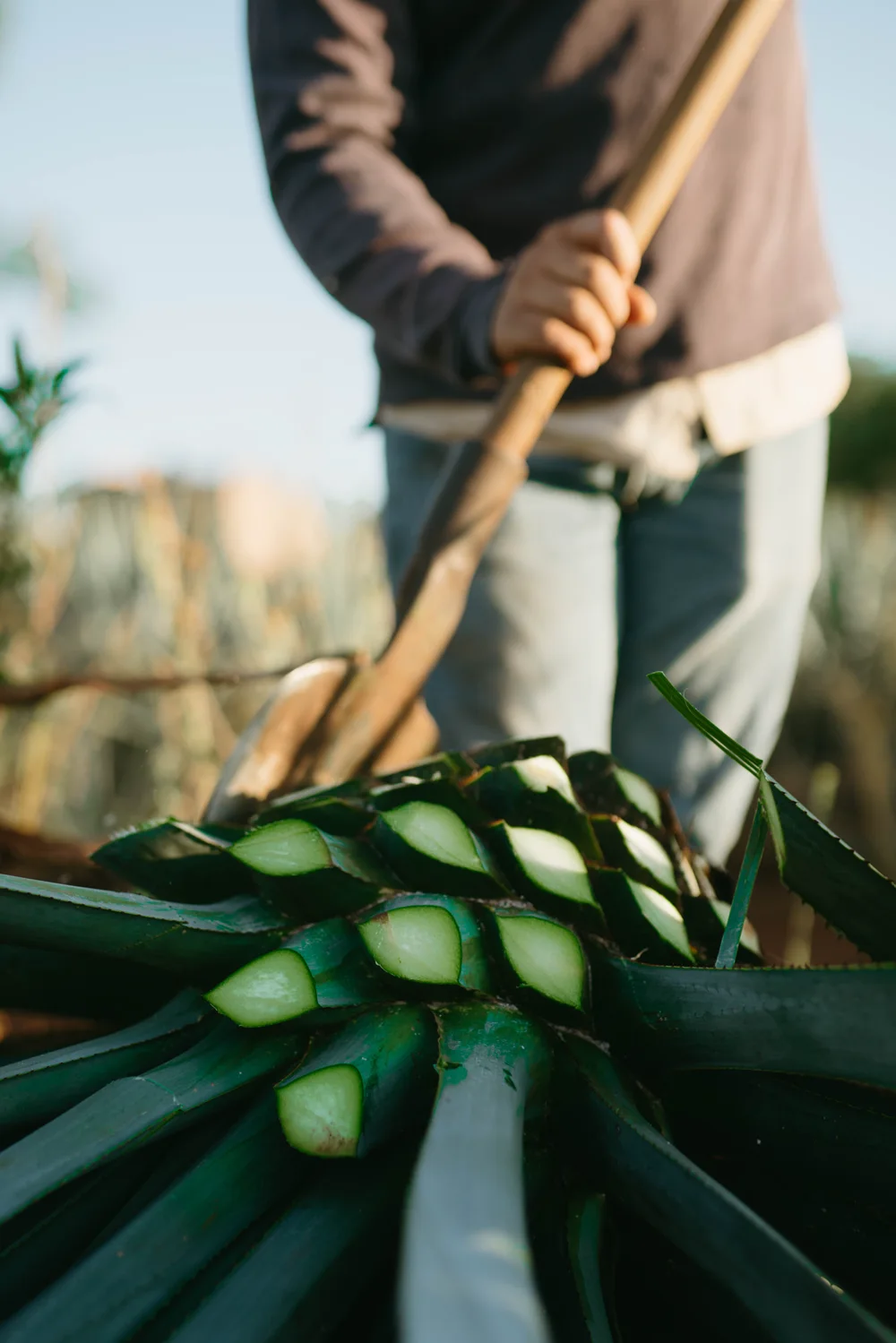
The difference lies in permitted processes and equipment. Ancestral mezcal uses pit ovens and clay-pot distillation with a clay or wooden head, including agave fibre during fermentation and distillation. Artisanal mezcal allows a wider range of equipment, including copper boilers for distillation.
NOM-070 distinguishes mezcal categories by permitted equipment and processes. “Ancestral” does not mean barrel-aged. It is neither a sensory score nor a guarantee that an expression suits every service.
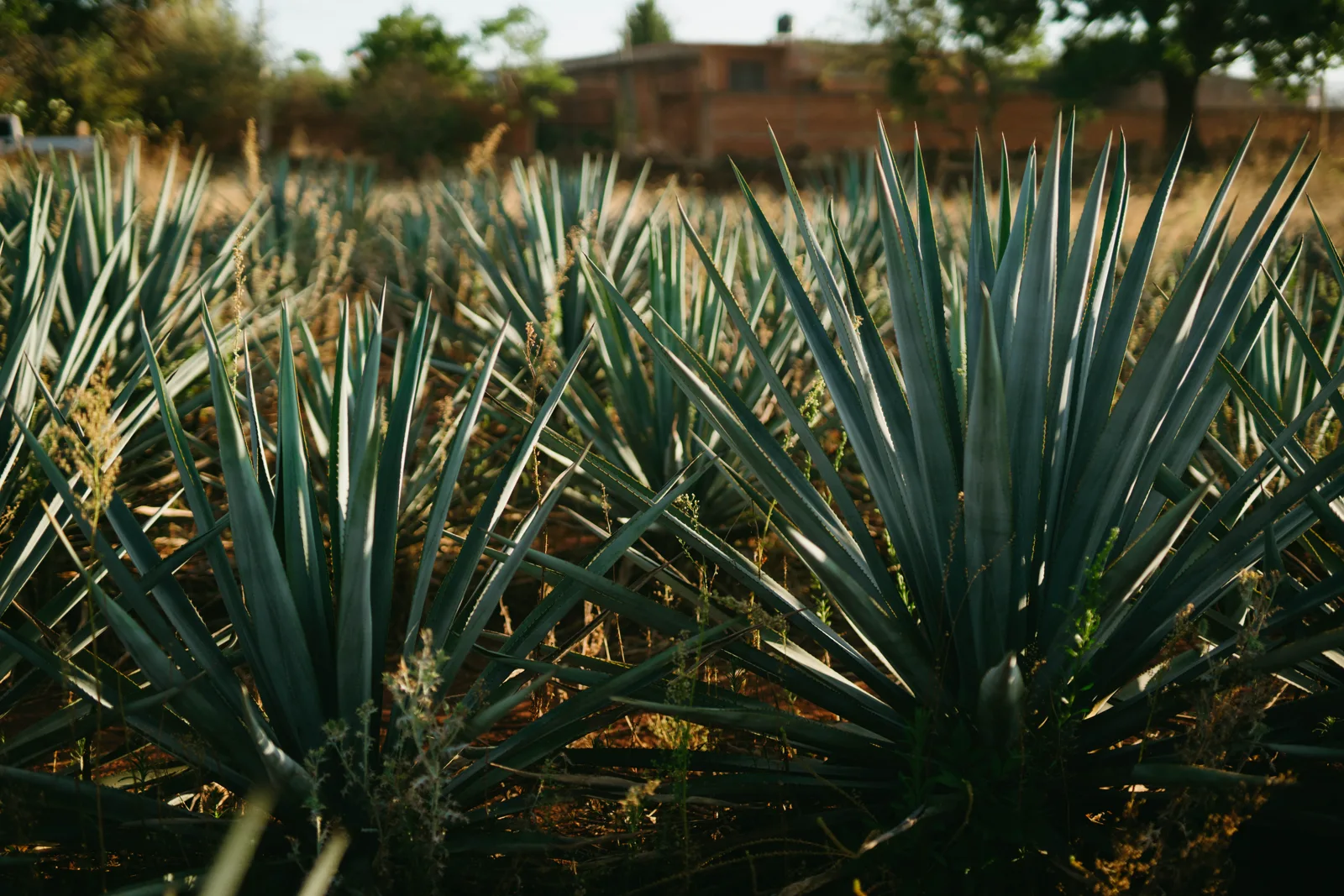
Ask the producer for a description of cooking, milling, fermentation and distillation. Comparing these decisions helps tell a specific story without turning a label term into an empty claim.
Category is not age
Artisanal and ancestral describe how mezcal is produced. Joven and reposado answer a different question. Check both details separately before comparing bottles.
Four questions for the producer
Where and how was the agave cooked? How was it milled? In which vessel did it ferment, with or without fibre? How was it distilled? Complete answers explain differences that the category name alone cannot.
How to compare them in a tasting
Record producer, agave, batch and strength. If all change at once, do not attribute an aroma difference solely to clay or copper. Compare slowly, with water available and no obligation to finish the sample.
Looking for a selection for your venue? Information for professionals ↗